
As someone who strives to follow Jesus Christ through the words of His apostles, I often hear the prophetic counsel to prioritize personal and family scripture study and think, “I gotta be better at that.” Determined to improve, I’ll set goals and make plans to do just that, but weeks later, I’ll find myself back where I started.
This cycle has repeated so many times that achieving my daily scripture study goals sometimes feels impossibly out of reach, and the pressure to improve has only increased since becoming a parent. During the “droughts” when my efforts are particularly fruitless, President Russell M. Nelson’s 2018 warning that “in coming days, it will not be possible to survive spiritually without the…constant influence of the Holy Ghost” echoes in my head.

I understand that practices like studying the scriptures help us forge that vital closeness with the Spirit, so continued failure sometimes fills me with anxiety for my children. I fear that my weakness in this area affects not just my spiritual growth, but my family’s as well.
Part of this battle for many Church members, including me, is the increasing demand placed on our time and energy by the world in which we live. Between work schedules, long commutes, school, extracurricular activities, Church callings, maintaining homes, preparing meals, and more, it’s no wonder we sometimes throw our hands in the air and say, “We just don’t have time for this!”
While guarding and prioritizing our time is vital, we can only edit down our lives so much. So, how do we break free from this cycle and begin studying the scriptures more consistently?
The answer combines fresh approaches with the determination to keep trying when the going gets rough. If you struggle to fit family or individual scripture study into a busy schedule, read on for a few ideas to help you renew your efforts.
Manage Your Expectations

I grew up in a home with parents who gathered their children before the sun came up to read the scriptures daily. Yes, even with teenagers attending early-morning seminary.
Despite the yawns and puffy eyes, I genuinely enjoyed starting the day this way and came to see it as the gold standard for all Latter-day Saint families. As grateful as I am for that childhood example, trying to implement this model in my own family has been disastrous.
Mornings in our home are often a circus, making an early study session a source of angst instead of spiritual grounding. When we finally realized that trying to force a specific model was doing more harm than good, we chose to move our scripture reading to the evening.
Being flexible and managing our expectations has allowed us to find what works for our unique circumstances. A successful routine does not need to resemble someone else’s routine, and it does not need to remain the same through every season of family life.
The materials we use can also change according to our needs, ages, and attention spans. Physical scriptures, digital resources, illustrated stories, hands-on activities, and visual aids all offer different ways to encounter the word of God.

Schedule a Specific Time
Scripture study rarely happens consistently unless we choose a specific time for it. While our family found greater success reading in the evenings, bedtime often crept up on us because we had not designated an exact time and other things stole our attention.
To avoid this, choose a specific time and set an alarm so you don’t forget. Treating scripture study as a family appointment gives it a defined place amid everything else competing for attention.
The chosen time does not need to be lengthy or especially formal. A consistent five-minute gathering will often serve a family better than an ambitious 30-minute plan that rarely happens.
It also helps to keep your study materials together and ready to use. When scriptures, marking supplies, reading aids, and children’s resources already have a designated place, beginning requires less effort.
Think Outside the Box
If you’re anything like me, “scripture study” brings certain images to mind: gathering in the living room or sitting at a table, using a physical set of scriptures, and taking notes. In this mental picture, meaningful study also lasts at least 30 minutes.
While approaching scripture study this way certainly has benefits, it isn’t the only way to “[delight] in the scriptures” (2 Nephi 4:15). Modern technology has made it possible to take an entire library of God’s word and other resources with us everywhere we go.
This access provides a lifeline for those who cannot dedicate time to longer, sit-down study sessions. Instead of waiting for ideal circumstances, we can look for small openings already scattered throughout the day.
Some on-the-go scripture study ideas include:
- Play audio recordings of the scriptures or Come, Follow Me podcasts while driving, exercising, tackling chores around the house, or taking a work break.
- Watch scripture videos, some of which are only a few minutes long, to help children and visual learners understand the people and events they encounter in the scriptures.
- Listen to general conference addresses and reflect on how modern prophetic teachings connect with the principles found in the standard works.
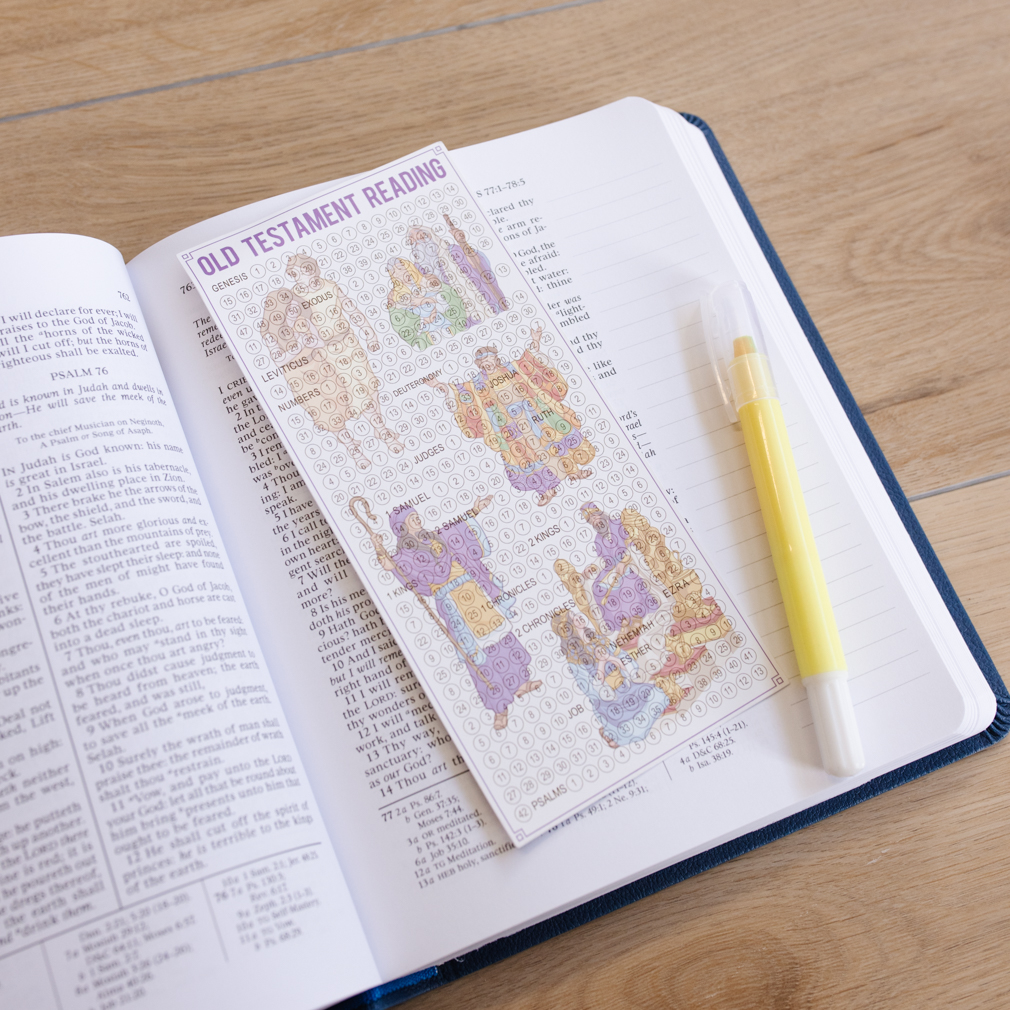
- Carry a favorite verse, study question, or gospel theme with you through a bookmark, card, note, or phone reminder.
- Keep scriptures or another study resource in a place where you naturally encounter it during the day.
If you can’t make a “power hour” work, focus instead on taking many “spiritual sips” throughout your day. Repeated moments of connection with the Lord often accomplish more than waiting for a perfect study session that never comes.

Make It Fun
As my husband and I considered ways to make family scripture study more consistent, we identified some obstacles. While I would love to say that our kids think reading from an ancient, sometimes dense record is just a barrel of monkeys, that hasn’t yet proven to be the case.
We needed to make our study both quick and engaging if we didn’t want it to devolve into a WWE wrestling match. That required us to think about what our children already enjoyed instead of expecting enthusiasm to appear simply because the activity was important.
One thing our four growing boys do love is food. Thus the “scripture snack” was invented: an enticing treat shared during a short reading and discussion.
Not only did it help keep the boys in listening mode, but they loved the tradition so much that they began shouting “Scripture snack!” when it was time to read. The snack itself was not spiritual, but it helped create the conditions for a positive spiritual experience.

Sometimes a fresh tool—a new visual aid, a hands-on activity, or study materials chosen specifically for a child’s interests—provides enough novelty to help everyone reengage. These resources do not replace the scriptures; they help children participate in ways that match their stage of development.
Here are some other ways to make family scripture study more fun:
- Include music by singing hymns or Primary songs.
- Use toys or simple props to act out stories from the scriptures.
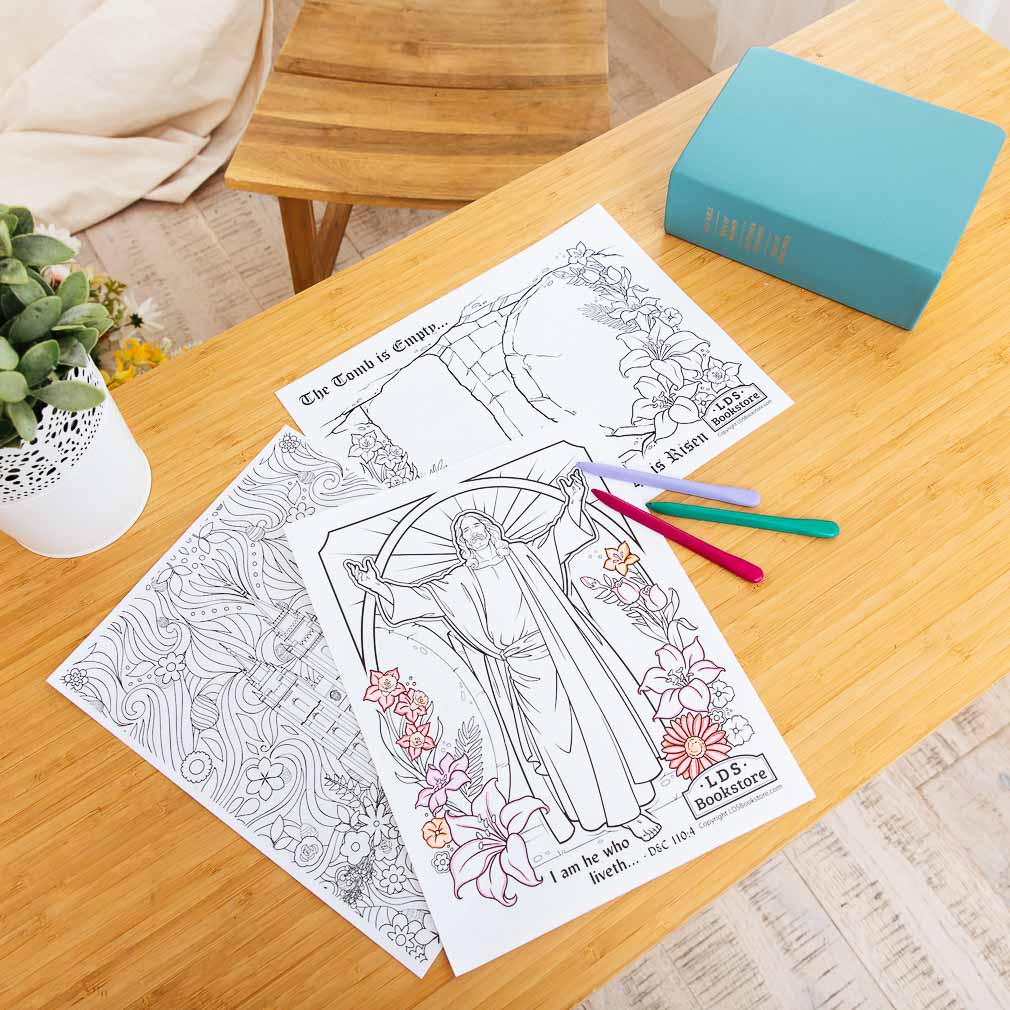
- Provide activity and coloring pages to keep little hands busy while everyone listens.
- Invite family members to draw a scene, person, symbol, or principle from the reading.
- Find engaging visual aids, including pictures, maps, and videos.
- Use child-friendly scripture storybooks alongside the standard works.
- Let children use stickers, bookmarks, or other visual markers to track their progress.
- Turn repeated words, people, places, or principles into a simple scripture scavenger hunt.
- Invite each child to choose one verse, picture, or activity for the family to discuss.
Not every strategy will hold every child’s attention, and even the best activity will lose its novelty eventually. Rotating among several simple approaches keeps scripture study familiar without making it feel exactly the same every day.
Plan for the Unexpected
One useful tip from scripture study educator Kristen Walker Smith is to set both a “ceiling” goal and a “floor” goal. Your ceiling goal represents the ideal you strive for or how you envision scripture time on a day without surprises or disruptions.
Your floor goal defines what you will do when life happens and you’re lucky to get everyone through the day alive. It preserves the habit and creates space for the Spirit without requiring your family to produce energy you simply do not have.
A floor goal could include a short prayer paired with reciting an Article of Faith, reading a favorite verse, watching a scripture video, or bearing your testimony. It might last only a minute or two, but it still turns your family’s attention toward Jesus Christ.
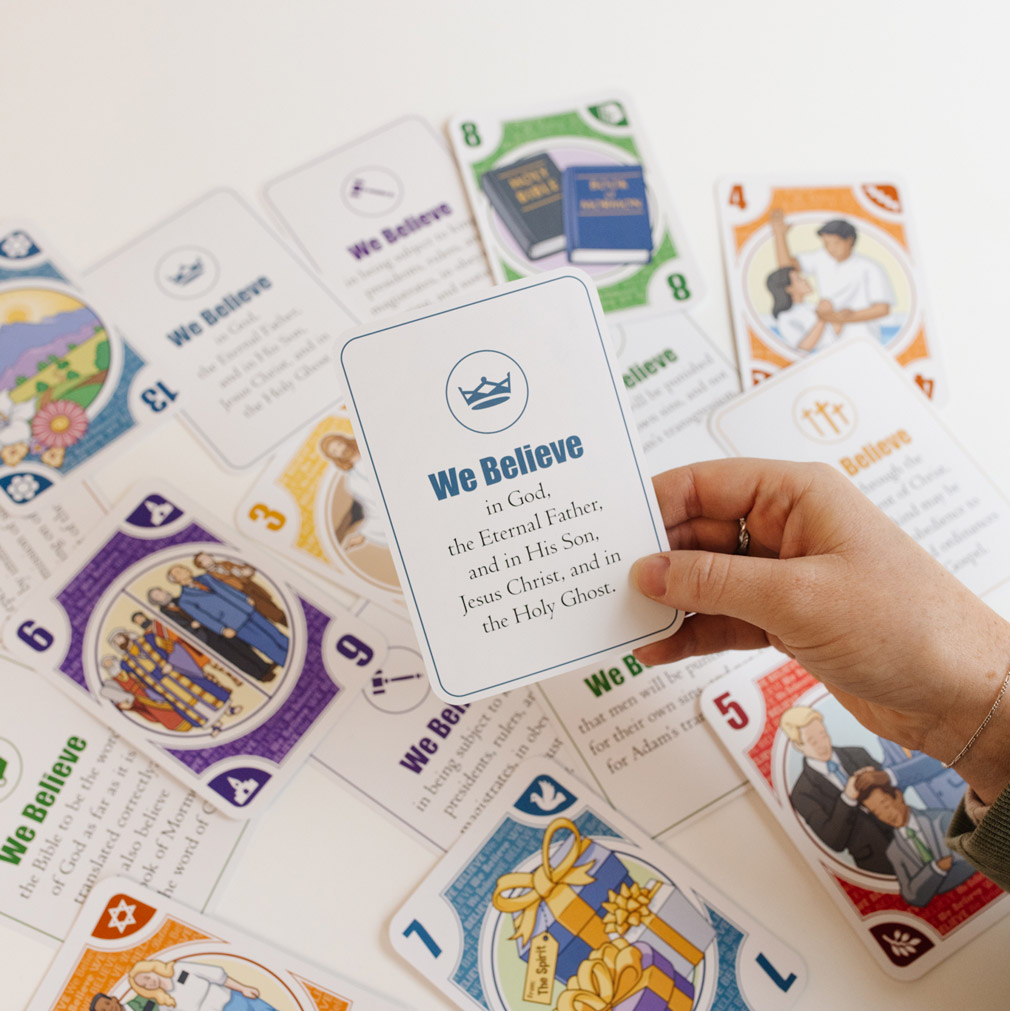
Keeping a few simple, ready-to-use resources in a designated scripture-study basket also removes the burden of inventing an activity when time and energy are already running low. A familiar story, visual aid, verse card, bookmark, or compact activity gives the family somewhere to begin.
Having a plan for when things don’t go according to plan allows your family to pause and feel the Holy Ghost. That spiritual pause is often exactly what everyone needs in moments of chaos.
Practice Patience and Rely on the Savior
Let us return for a moment to President Nelson’s warning:
“In coming days, it will not be possible to survive spiritually without the guiding, directing, comforting, and constant influence of the Holy Ghost.”
I am sure that I am not alone when I describe the anxiety that this bold declaration sometimes gives me.
I am also certain President Nelson never intended prophetic counsel to inspire paralyzing fear. Instead, divine guidance inspires action and invites us to seek the Lord’s help in our efforts.
In the same address, President Nelson reminded us of the enabling power of Jesus Christ through His Atonement. That power makes growth possible, including improvement in our scripture study habits, no matter how overwhelmed or imperfect we feel.

This process requires patience, releasing unrealistic expectations, and embracing the truth that small, steady efforts matter. God doesn’t expect perfection right away; He expects progression.
Progression often means falling short, getting back up, and trying again. It means making room for the Savior to shoulder the burden with us.
He knows our hearts and understands the pressures we face. As we sincerely pray for the Lord’s help and then take action, He will bless our efforts.
So, if you’re too busy for scripture study, take heart. You’re not alone in the struggle, and the Lord is on your side.
He will help you find creative solutions, strengthen your resolve, and multiply your efforts. As you prioritize the scriptures, even in small and simple ways, the Holy Ghost will fill your home and heart with guidance and protection through the challenges ahead.
What has helped you study the scriptures more consistently? Share your ideas with us in the comments!
Originally published September 14, 2024; updated with additional ideas and resources.

Holly Wallace is a writer and storyteller drawn to meaningful questions and overlooked details. Her work explores Latter-day Saint life and culture through faithful inquiry, inviting readers to pause, consider, and engage more deeply with what matters most.